

Navigating the landscape of business loans can sometimes seem like maneuvering through a complicated maze. For banks near me and small business owners, comprehending how to successfully secure funding is essential for success and sustainability. If you are aiming to grow your business, purchase new assets, or simply manage day-to-day costs, knowing the appropriate approaches and documentation requirements can make all the distinction in your financing results.
This manual will lead you through the essential techniques to improve your odds of obtaining funded. From determining your DSCR to specifying the particular paperwork traditional banks ask for, we will explore everything you need to know. You'll discover how factors like credit ratings and operational plans affect funding decisions, and why it's important to select the best type of loan for your unique needs. With banks near me , you'll be better prepared to tackle the commercial financing landscape with confidence.
Grasping Financial Requirements and Documentation
While seeking a corporate bank loan, comprehending the exact documentation required by traditional banks is crucial for a smooth application process. Banks generally require a comprehensive business plan that details your company's objectives, strategies, and market analysis. Additionally, you will need to provide financial statements, comprising balance sheets and income statements, to demonstrate your business's economic stability. Carefully organized documentation not only speeds up the approval process but also showcases your professionalism to the lenders.
Your individual and business credit scores substantially impact the loan rates and terms you may get on loans. As banks evaluate your business's creditworthiness, they will also consider your personal credit history to gauge your trustworthiness as a borrower. It is wise to check both credit reports prior to applying for a loan and resolve any inconsistencies. This planning can improve your chances of securing a competitive interest rate and superior terms.
Lastly, understanding the difference between collateralized and non-collateralized business loans is crucial for informing your application strategy. Collateralized loans demand collateral, which lowers the lender's risk and can lead to lower interest rates. Unsecured loans, on the other hand, often come with increased interest rates due to the greater risk taken on by the lender. Before submitting, consider your individual situation, including the property you can offer as collateral and how these options align with your overall financial strategy.
Analyzing One's Economic Parameters when it comes to Lending Qualification
Grasping your monetary figures becomes essential when seeking a a business credit, since lenders closely analyze these figures for the purpose of evaluate the financial reliability. small business treasury management includes the Debt-Service Coverage Ratio, which assesses the business's capability for service its obligations using the income. In order to calculate the Debt-Service Coverage Ratio, divide the NOI by one's overall debts. An ratio exceeding one suggests that comfortably meet the obligations, which remains favorable in the eyes of financial institutions.
Furthermore, both your individual plus commercial ratings play crucial parts when determining the loan rates presented with. Creditors evaluate those credit ratings for assess one's history of debt repayment as well as monetary stability. An high personal score may enhance your commercial creditworthiness proposition, but an poor rating may cause increased interest rates or rejection of the loan. It’s important to important for you to examine your credit reports before requesting plus strive to improve improving those if required.
Before contacting a lender, one need to additionally organize the monetary documents, because these are crucial papers for credit approval. Banks typically ask for a 12-month cash flow projection estimate to evaluate one's prospective earning capacity and determine how one aim to meet debt repayments. Furthermore, confirming your one's business debt-to-income ratio is acceptable parameters will enhance one's application as well as show one's ability to effectively control debt successfully.
Maneuvering the Loan Application Process
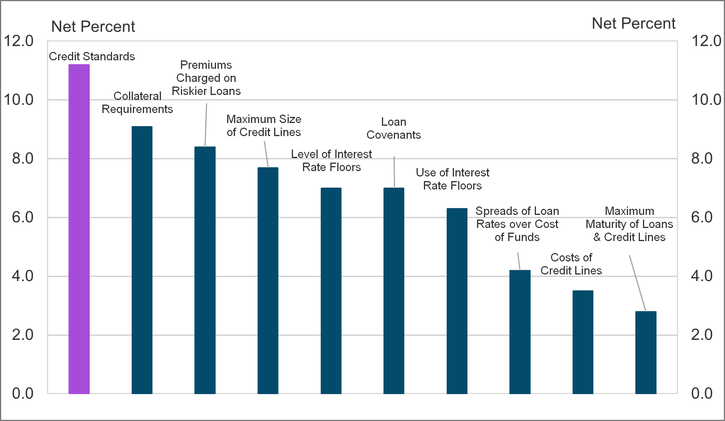
Successfully traversing the credit request procedure demands a methodical method. Start by grasping the particular requirements conventional banks require for a small business loan acceptance. This often entails a comprehensive business strategy, financial statements, and personal financial statements. If you can submit structured and complete files, you will demonstrate your preparedness and seriousness, boosting your likelihood of success.
Then, it is crucial to determine your debt coverage ratio precisely before requesting for a loan. This figure indicates how well your enterprise can meet its financial commitments. A debt-service coverage ratio greater than one indicates that you earn adequate revenue to meet your debts, positioning you a more appealing client. Additionally, be mindful of how your personal and business credit histories impact borrowing costs. A solid credit profile can considerably lower your borrowing costs.
Finally, reflect on your NAICS and how it affects your credit risk assessment. Creditors evaluate sectors in various ways based on expected hazards, which can determine your loan terms. Understanding this along with what lending institutions look for in a one-year financial projection estimate will prepare you for conversations with lenders. Being aware about these elements not just boosts your certainty but furthermore places you as a dedicated candidate for funding.